Coffee
There's more behind your cup than you think
By Team Kaafi4 min read
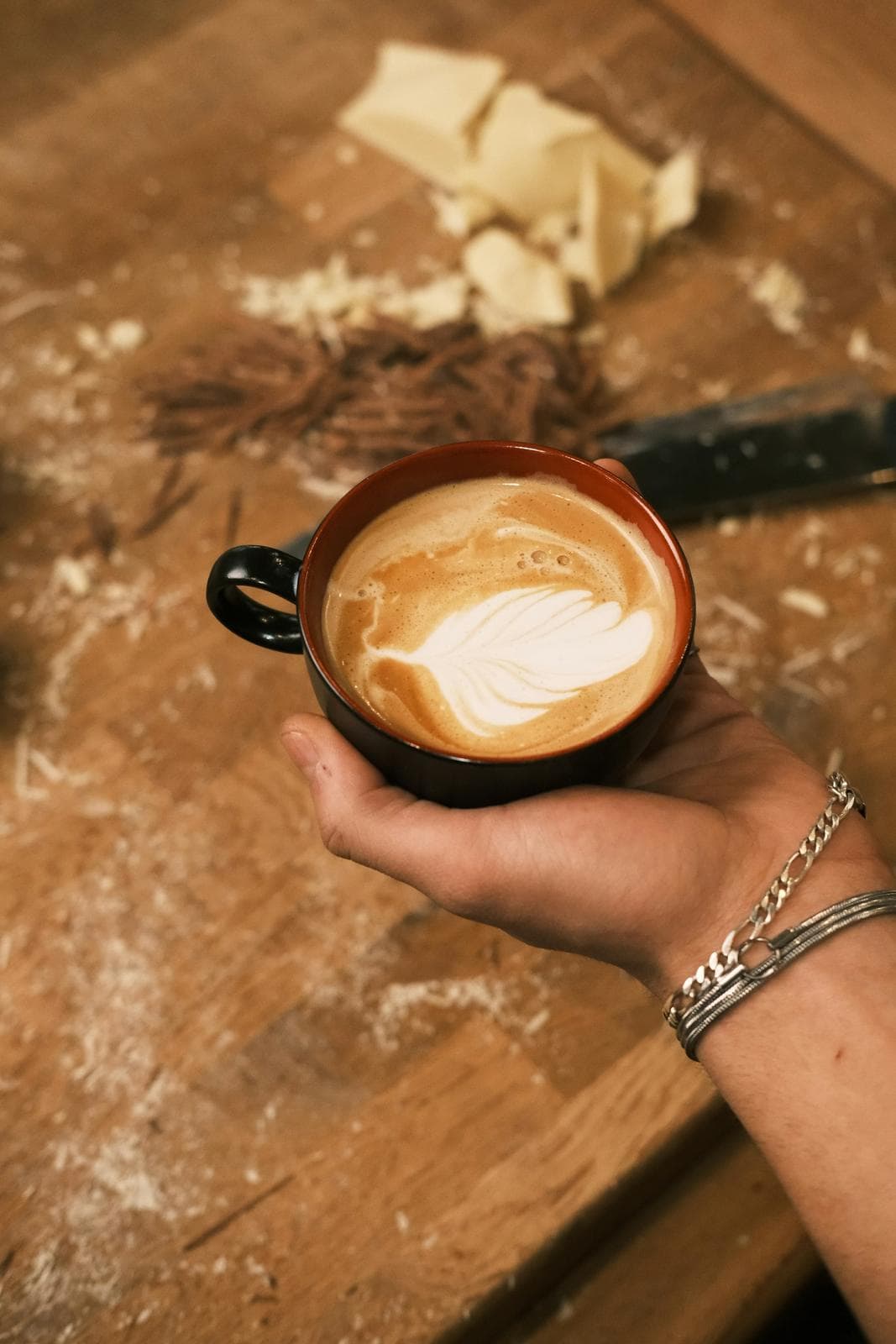
Most mornings, a cortado takes about ninety seconds to make. The coffee inside it took closer to a year. Before it reached our grinder, it grew on a hillside, was picked by hand, fermented, dried, sorted, rested, roasted and rested again. Every one of those steps leaves a fingerprint on what you taste.
It starts on a hill in the south
India has been growing coffee for centuries. The popular story is that a pilgrim named Baba Budan carried seven beans back from Yemen and planted them in the hills of Chikmagalur. Legend or not, those hills, along with Coorg, Wayanad, the Nilgiris and the Araku Valley, now grow some of the most interesting coffee in the world.
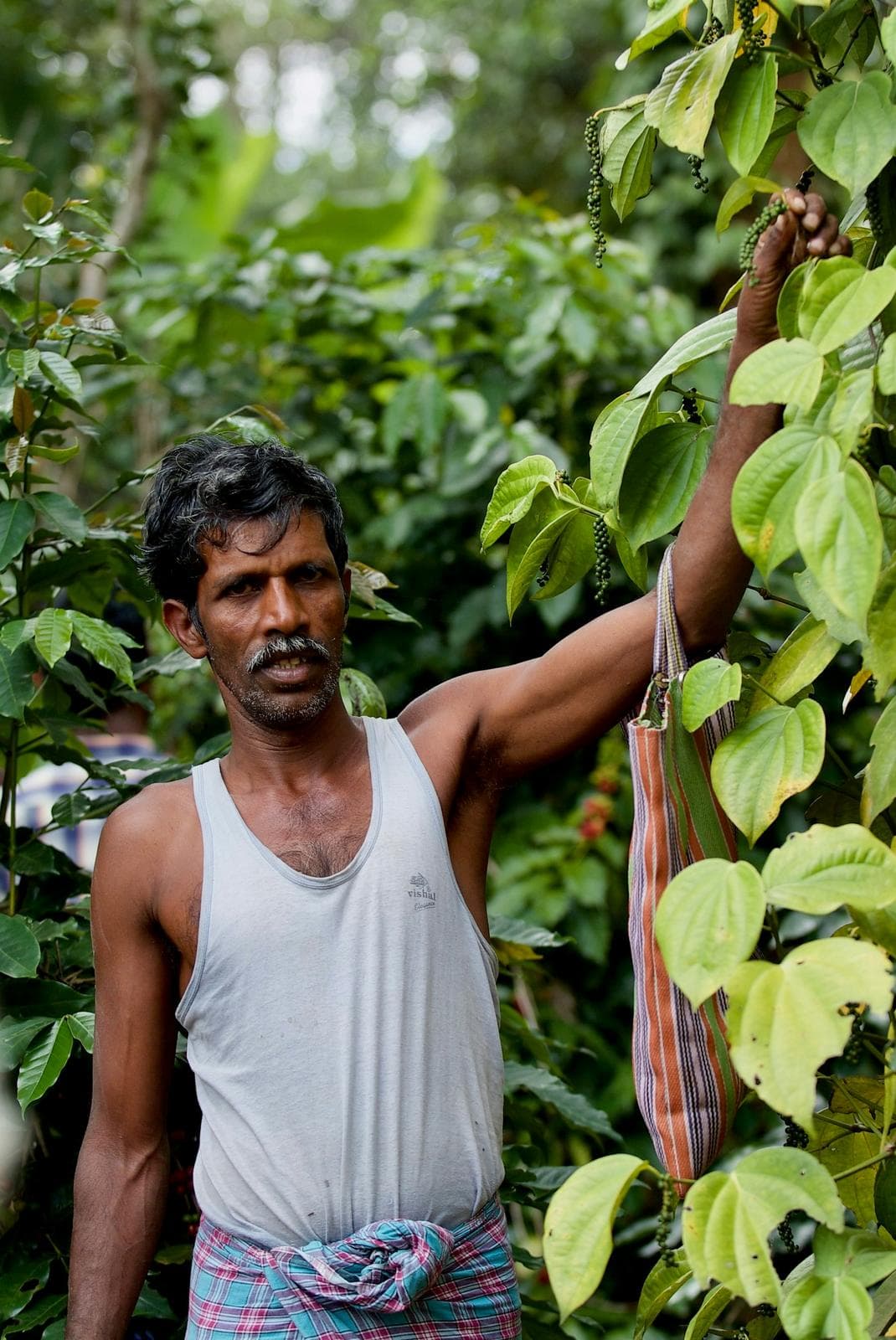
What makes Indian coffee unusual is the shade. On most estates, coffee grows under a canopy of tall trees, often alongside pepper vines, cardamom, oranges and bananas. The shade slows ripening, and slower ripening usually means more sugar and more complex flavour in the cherry.
Picking, processing and patience
Coffee beans are the seeds of a fruit. Harvest in the south runs roughly from late in the year into early spring, and the best estates pick by hand, going back over the same plants several times to take only the ripe red cherries.
Then comes processing, which shapes flavour more than most people realise:
- Washed coffees have the fruit removed before drying. They tend to taste clean, bright and crisp.
- Natural coffees dry with the whole fruit still on. Expect berry, wine and a heavier body.
- Honey processing sits in between, leaving some of the sticky fruit on the bean as it dries.
After drying, the coffee rests for weeks so moisture evens out, then it's hulled, graded and bagged as green coffee.
Roasting: where it starts to smell like coffee
Green coffee smells like grass and tastes like very little. Roasting turns it into something we recognise, and it's a balancing act. Too light and a coffee tastes sour and thin; too dark and every origin starts to taste the same: smoky and bitter.
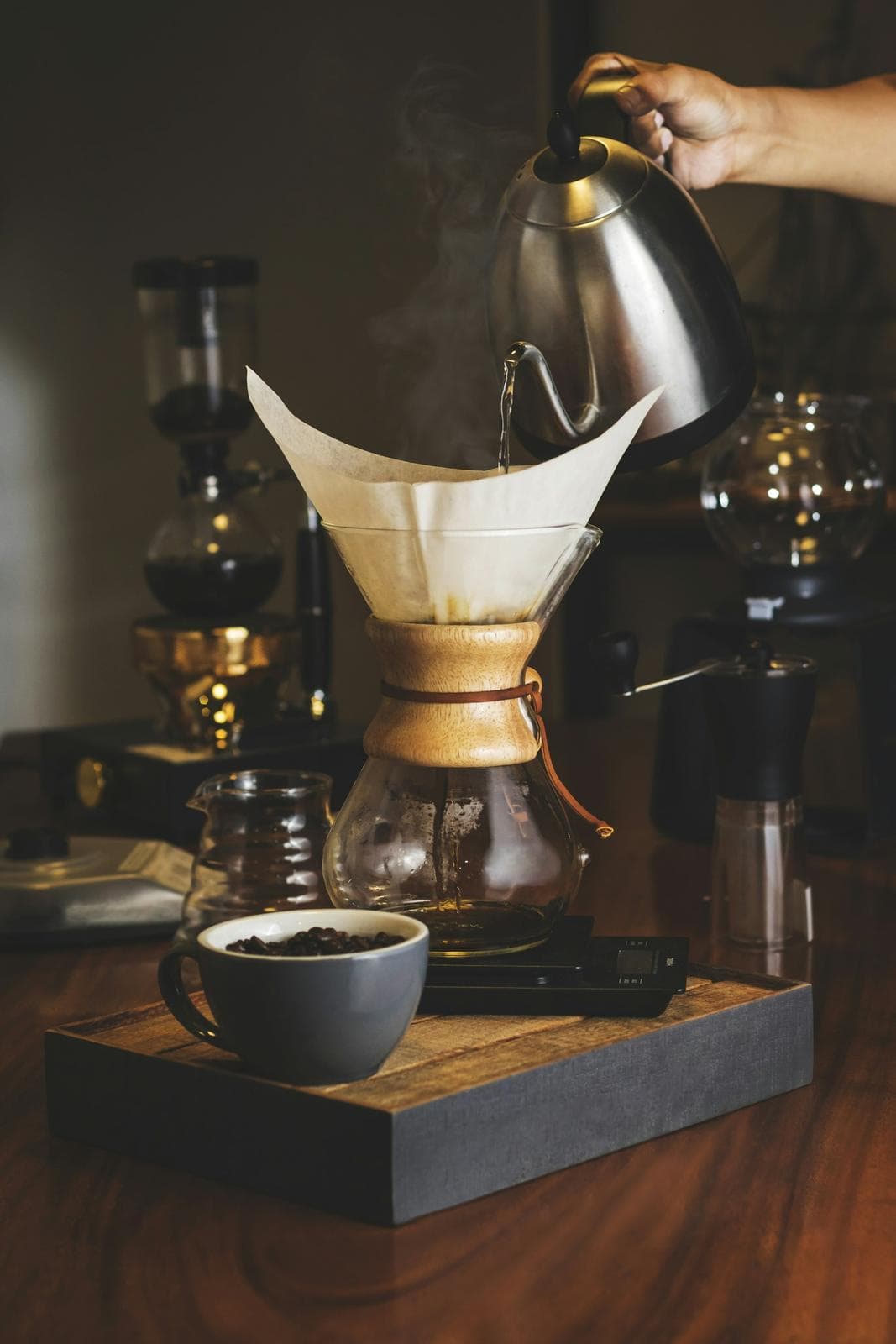
We like our espresso roasted just enough to bring out chocolate and caramel while keeping a little fruit. For filter coffee we go lighter, because a V60 shows off delicate flavours that milk would hide.
The last ninety seconds
By the time the beans reach our bar, most of the work is done, and our job is mostly not to ruin it. We dial in the grinder every morning, weigh every shot and taste constantly. If a shot runs too fast it's sour; too slow and it turns harsh.
So the next time you take that first sip, think of the hillside, the hands that picked it and the months of waiting in between. It's a lot of effort for one small cup, which is exactly why one is never kaafi.
Want to taste the difference for yourself? Our Cupping Club lines up Indian single-origins side by side, slurping encouraged.